Some places become familiar before we ever visit them. These books take you from the French Alps to the Swiss Alps and onto the Catalan Pyrenees, through stories shaped by mountain life and landscapes. Read one before your trip, or take it with you and see the mountains from a different perspective.
French Alps
READING YOUR WAY TO THE MOUNTAINS
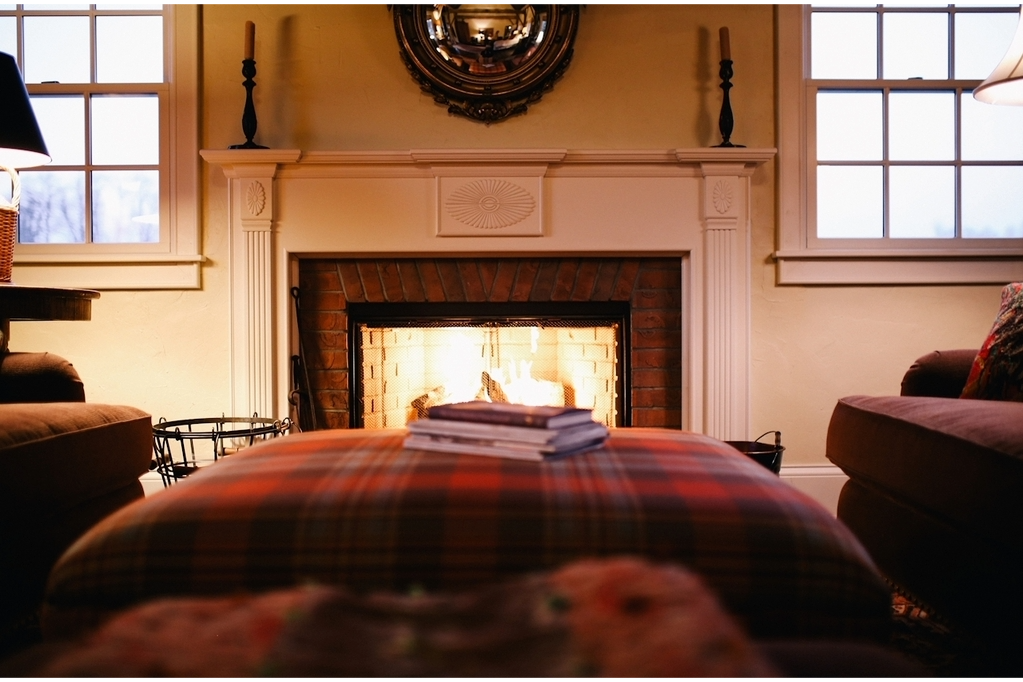
Seven books for the journey
First on the Rope (1941)
Frison-Roche knew Chamonix intimately. Before he made his name as a novelist, he became the first guide from outside the valley to join the Compagnie des Guides. He drew on that experience in First on the Rope, which follows the families who earned their living on Mont Blanc, particularly Pierre Servettaz, the son of a Chamonix guide. As Pierre is drawn towards climbing, his father begins to worry about the future he is choosing for himself.
The novel brings the world of the guides to life, from the routes they knew to the demands of raising a family beneath Mont Blanc. The Compagnie des Guides still has its office in the Maison de la Montagne, beside the church in central Chamonix.

A winter climb along the mountain guide's route
The Grand Crevasse (1948)
In 1948, Frison-Roche returned to the same valley, this time to tell a love story. Brigitte, a young woman from Paris, falls for Zian, a mountain guide who takes her into the world of climbing, and as their relationship grows, she finds that life in Chamonix bears little resemblance to the one she left behind.
While the first book follows the guiding community, this second novel takes a more personal look at the cost of mountain life. Brigitte's growing isolation and anxiety as Zian leaves on one expedition after another reveal the valley from the point of view of the person left behind by it. The two books are best read in order, as the second story returns to the world of the first from a more intimate, often lonelier perspective.

A snowy valley between departures
Belle and Sebastian (1965)
Away from Chamonix, Cécile Aubry sets her story in a small mountain village in the French Alps. Sébastien, a young boy raised by an older man, finds a loyal companion in Belle, a large mountain dog feared by the villagers and blamed whenever trouble strikes. As the two grow closer, they escape into the forests and pastures, often staying one step ahead of those determined to catch them.
Their friendship is at the heart of the story, but it also raises questions of prejudice and belonging, since both boy and dog are treated as outsiders. If you enjoy the book, Nicolas Vanier's 2013 film adaptation brings Sébastien and Belle to the screen, placing their story during the Second World War. It offers another way to spend time with these characters after turning the final page.

A Pyrenean mountain dog in the alpine snow
Tartarin on the Alps (1885)
Crossing into the Swiss Alps, our list takes a comic turn with the second book in Alphonse Daudet's Tartarin trilogy, Tartarin on the Alps. Tartarin, the boastful president of a mountaineering club in Tarascon, travels north to prove himself on the great peaks. Armed with a rope, an ice axe and far more confidence than experience, he eventually makes his way towards Mont Blanc, each stage exposing the gap between the mountaineer he imagines himself to be and the tourist he really is.
Daudet's satire extends to the visitors discovering Switzerland as Alpine tourism takes off. Tartarin's companion Bompard even claims that a company arranges the crevasses and pays the guides, sending up the idea of a landscape prepared for tourists. For a little comic relief before your own Alpine escape, follow Tartarin as he sets out to conquer the mountains himself.

Mont Blanc, the summit Tartarin dreamed of conquering
Derborence: When the Mountain Fell (1934)
In 1714, a landslide from the Diablerets buried the pastures of Derborence, near Crans-Montana in the Valais. Ramuz's novel begins in the aftermath, with the villagers mourning the herders trapped beneath the rock. When a rumour reaches the valley that one of them may have survived, his wife refuses to give up hope, even as the rest of the village struggles to believe it.
The novel unfolds in this uneasy space between the real and the imagined, where the mountain seems to hold its own secrets. The valley still exists, and you can drive up from the Rhône to see the now beautiful national nature reserve, open for hikes, that inspired the story. Parts of Francis Reusser's 1985 film adaptation were shot at the site of the disaster, three centuries after it took place. The film competed at Cannes and won the César for Best French-Language Film the following year.

Derborence Valley, the setting for Ramuz's tragedy
The Enigma of Room 622 (2020)
In Joël Dicker's thriller, a murder took place years ago at the fictional Palace de Verbier, a luxury hotel in the Valais. The room where it happened was numbered 622, although the hotel now calls it 621a, an odd detail that catches the attention of Dicker’s narrator when he arrives to recover from the death of his publisher. Alongside Scarlett, a guest in the next room, he begins to investigate what happened.
The mystery reaches into the world of Swiss banking, where ambition, jealousy and hidden identities keep the truth out of reach. With its shifting loyalties and carefully timed revelations, the novel is difficult to put down. It is an absorbing read before a stay in Verbier.

Snowcrest in Verbier, reminiscent of the fictional Palace de Verbier
When I Sing, Mountains Dance (2019)
The final book leaves the Alps for the Catalan Pyrenees, around Camprodon near the French border. Irene Solà tells the story of one mountain and the people who have lived around it, moving through several generations and drawing on Catalan legends along the way. The narrators are not limited to the human characters. Clouds, mushrooms, a roe deer and the ghosts of women hanged as witches all have their say.
The result is strange, vivid and often unexpectedly funny, with tragedy and tenderness sharing the same pages. Solà gives the landscape its own voice, allowing human lives, animals, plants and old stories to overlap in a way that makes the mountain feel less like a setting than a character in its own right. The short chapters make the book easy to dip into, although its many voices and shifting perspectives may keep you reading for longer than planned.

Catalan Pyrenees, the setting of Irene Solà's novel


